Stay Alert: Measles Is Back! Signs, Causes, and How to Protect Your Family
April 17, 2026
In recent times, measles cases have once again become a concern. National data shows that throughout 2025, tens of thousands of suspected measles cases were reported, with thousands confirmed, and some even resulting in death. Entering early 2026, cases are still being found across various regions.
BeeFams, these numbers are a reminder that measles is not just an “old disease” that has disappeared. In fact, it still exists and can affect anyone, especially children.
However, many people still think of measles as a mild illness that will go away on its own. In reality, if not properly managed, measles can lead to serious complications.
What Is Measles?
Measles, also known as rubeola, is a highly contagious respiratory infection caused by a virus. It is considered one of the most infectious diseases.
It spreads through droplets when an infected person coughs, sneezes, or even talks. The virus can also linger in the air or on surfaces for a period of time, making it very easy to transmit.
That’s why, in one environment, measles can spread very quickly, especially if many people do not yet have sufficient immunity.
Why Does Measles Spread So Easily?
Measles is not just any contagious disease. As noted by Mayo Clinic, the virus can spread even before the rash appears.
An infected person can transmit the virus about four days before the rash becomes visible and remain contagious for several days afterward. This is why measles transmission often goes unnoticed in the early stages.
For those who have never had measles or have not been vaccinated, the risk of infection is very high when exposed to someone who is infected. The virus can enter the body through the mouth, nose, or eyes.
Common Measles Symptoms That Are Often Overlooked
One reason measles is often detected late is because the early symptoms resemble a common flu. Symptoms usually appear around 7–14 days after exposure and may include:
- High fever
- Dry cough
- Runny nose
- Red, watery eyes
A few days later, small white spots may appear inside the mouth, followed by a skin rash.
The rash typically starts on the face or behind the ears, then spreads across the body, from the chest down to the legs.
Other symptoms may include:
- Weakness and fatigue
- Loss of appetite
- Body aches
- Diarrhea or vomiting
Because it initially looks like a mild illness, many people only realize it’s measles once the rash has spread.
Who Is Most at Risk?
Although measles is more common in children, it can affect anyone. However, higher risk applies to:
- Children under 5 years old
- Individuals who have not been vaccinated
- People with weakened immune systems
- Those with vitamin A deficiency
- In addition, high mobility and travel to areas with active measles cases can also increase the risk of infection.
What Happens If Measles Is Not Treated?
Most measles cases resolve within about 10 days. However, this does not mean it should be ignored.
In certain cases, measles can lead to complications such as:
- Dehydration due to diarrhea and vomiting
- Ear infections
- Respiratory inflammation (bronchitis or laryngitis)
In more severe cases, measles can affect the lungs or even the brain, especially in children with weakened immune systems. This is why measles should never be taken lightly.
Why Are Measles Cases Increasing Again?
The resurgence of measles cases is not without reason. Several factors contribute to this, including:
- Children who have not received complete vaccination
- Decreased awareness of the importance of immunization
- Increased mobility in modern society
This combination makes it easier for the virus to spread, especially in communities with low immunity levels.
How to Protect Your Family from Measles
The most important step is vaccination, which helps the body build protection against the virus.
In addition, you can take simple preventive actions such as:
- Maintaining good hand hygiene
- Avoiding close contact with sick individuals
- Ensuring adequate nutrition, especially vitamin A
- Keeping the immune system strong
A strong immune system plays a key role in helping the body fight infections, including measles.
Support Your Family’s Immune System
Maintaining immunity isn’t something you do only when you’re sick, it should be part of your daily routine.
In addition to a healthy lifestyle, you can support your body with supplements that help maintain immune function, such as HDI Propoelix™.
Research shows that HDI Propoelix™ contains a high level of polyphenols (34.51%), a type of antioxidant known to help reduce the risk of various diseases.
It also contains eight bioactive compounds, galangin, chrysin, pinocembrin, naringenin, CAPE (Caffeic Acid Phenethyl Ester), cinnamic acid, apigenin, and rutin, known for their antioxidant, anti-inflammatory, antiviral, antidiabetic, and protective properties.
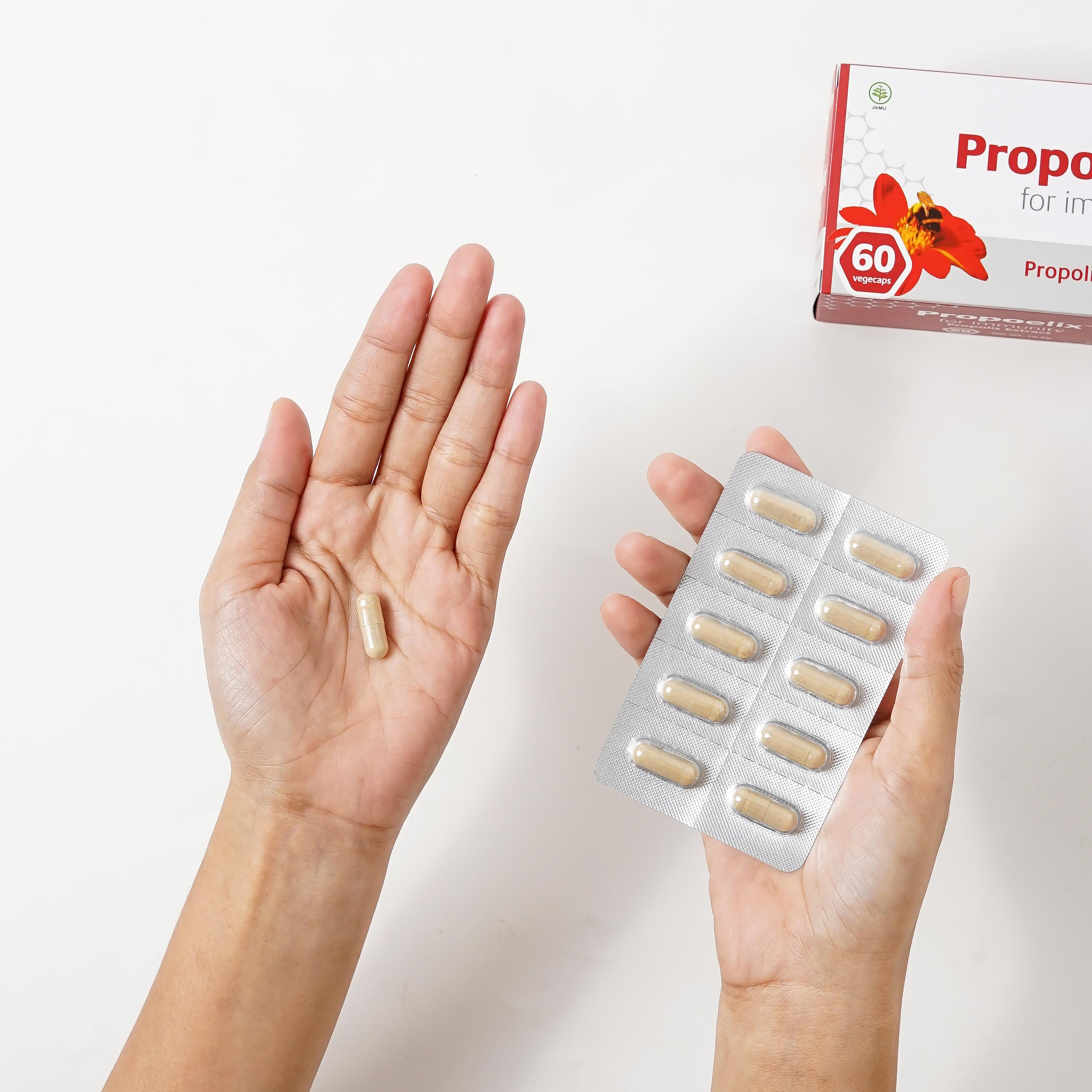
Why choose HDI Propoelix™?
- Helps support the immune system
- Rich in antioxidants to protect cells from free radical damage
- Helps reduce inflammation
- Supports the body against oxidative stress
Protecting your family starts with small steps, from recognizing symptoms, maintaining immunity, to ensuring optimal daily protection.
BeeFams, don’t have HDI Propoelix™ yet? Now is the perfect time to get it at hdi.com or your nearest HDI Center. This month, with a minimum purchase of Rp800,000, you can redeem Propoelix™ for only Rp299,000.
Don’t miss it! •
Sources:
- https://kemkes.go.id/id/kasus-campak-turun-93-persen-kemenkes-pastikan-surveilans-tetap-ketat
- https://www.mayoclinic.org/diseases-conditions/measles/symptoms-causes/syc-20374857
- https://www.halodoc.com/kesehatan/campak
- https://www.kemkes.go.id/id/kemenkes-waspadai-dinamika-campak-nasional-dan-global
Related Product

Propoelix 200mg (60 Vegekaps)

10 Benefits of Drinking Honey Water Every Day


How to Naturally Boost Your Immune System