


What Happens to Your Body During 30 Days of Fasting?
March 9, 2026
BeeFams, without us even realizing it, our bodies go through a gradual adaptation process during Ramadan, from the initial “shock” in the first week of fasting to eventually finding a more stable rhythm toward the end of the month. Interestingly, these changes don’t happen overnight. Each week tells a different story.
If you pay attention, the way your body feels during the first few days is clearly different from how it feels in the third or fourth week. So, what exactly happens to our bodies during four weeks of fasting?
From the First to the Last Week: How the Body Adapts During Ramadan
Week 1: The Adaptation Phase and the Body’s “Culture Shock”
For people who are used to eating on schedule and sleeping regularly, the first week of fasting can feel like a “culture shock” for the body. Eating patterns change drastically, sleep schedules shift, and fluid intake becomes limited during the day.
Physiologically, the body still relies on quick energy reserves called glycogen. When these reserves start to decrease, some people may feel weak, slightly dizzy, or hungrier than usual.
According to a health report published by News-Medical, in the early phase of fasting the body gradually shifts from using glucose as its main energy source to utilizing other energy reserves. This transition can trigger fatigue, mood changes, and mild difficulty concentrating as the body adjusts its metabolic system.
In addition, hunger hormones such as ghrelin are still adapting to the new schedule. That’s why midday, around noon, may feel more challenging than usual.
During this phase, the key is to:
- Eat a balanced suhoor meal containing protein, fiber, and healthy fats
- Drink enough fluids between iftar and bedtime
- Avoid “revenge eating” by consuming too much food at once when breaking the fast
Because the immune system is also adjusting to the new rhythm, maintaining proper nutrient intake that supports immunity is especially important during this stage.
Week 2: The Body Starts Finding Its Rhythm
By the second week, many people start saying, “It actually feels easier now.” The body becomes more efficient at using fat as an energy source. After several days without regular energy intake, the body increases fat utilization and begins producing ketones as an alternative source of energy. This phase is often associated with more stable energy levels compared to the first week.
Hunger may still be present, but it’s usually less disruptive than during the early days of fasting. Mood also tends to stabilize, especially if suhoor and iftar meals are balanced and nutritious.
However, one common challenge during this phase is the type of food consumed at iftar, which should ideally be limited:
- Excessive fried foods
- High-sugar beverages
- Eating large portions at once
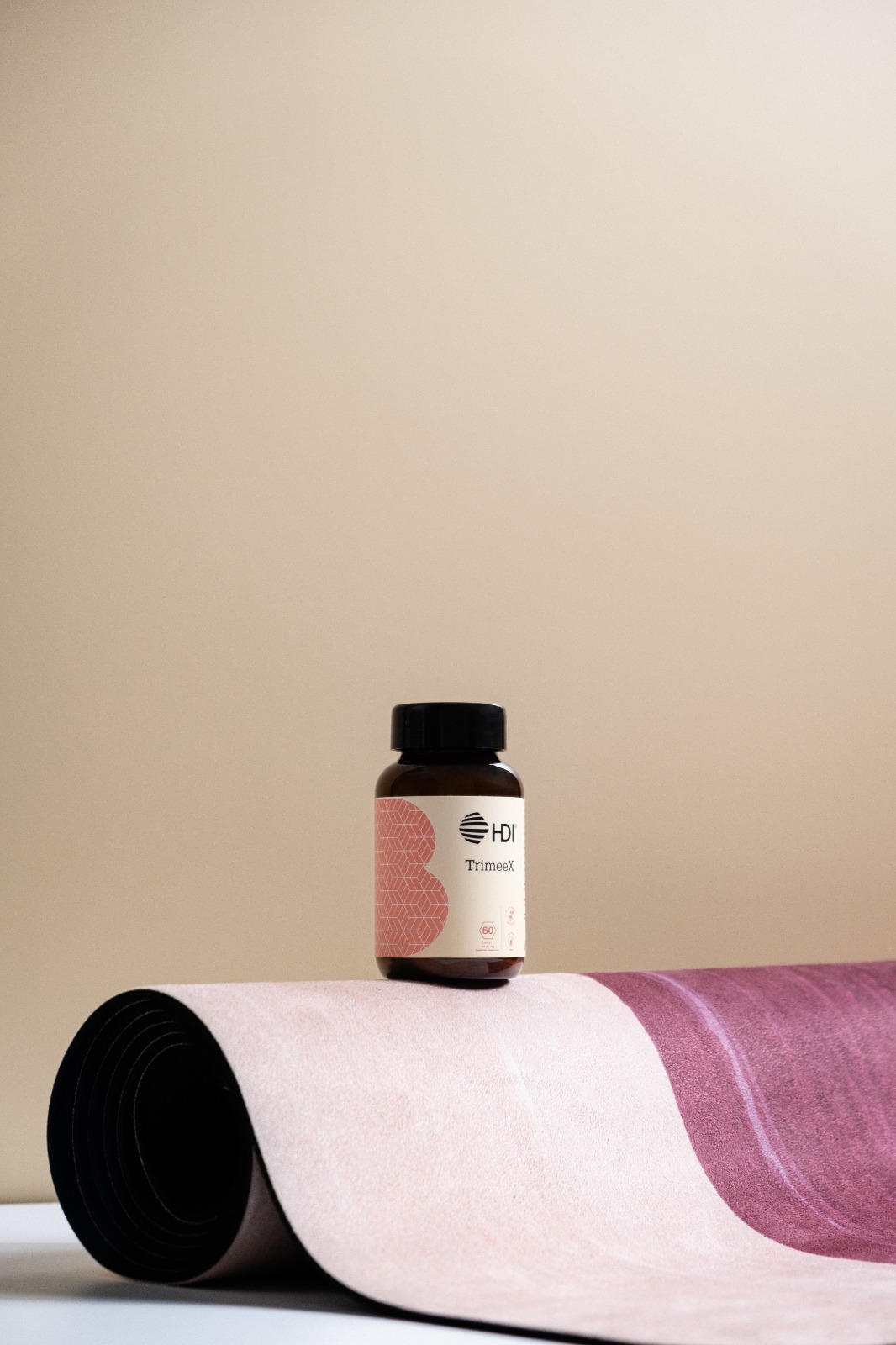
If not controlled, high intake of saturated fats and sugar can affect cholesterol levels. A balanced diet and an active lifestyle remain important. Products such as HDI TrimeeX, which contains vegetarian-friendly mushroom chitosan, white kidney bean, propolis extract (Propoelix™), cinnamon extract, black cumin extract, ginger extract, and bee pollen, may help support fat metabolism and help maintain balanced blood sugar and cholesterol levels.
Week 3: The Body Becomes More Efficient and Controlled
The third week is often considered the most comfortable phase. By this time, the body has become accustomed to the fasting routine. Appetite becomes more manageable, and daytime snacking cravings almost disappear.
Some people even report feeling:
- More focused
- Lighter and more energetic
- More disciplined with their eating patterns
Metabolically, the body becomes more flexible in switching between energy sources. This adaptation allows the body to stay calm when food intake is delayed for several hours, preventing the urge to overeat at iftar.
However, it’s important to remember that this efficiency depends heavily on nutritional quality. If suhoor only consists of simple carbohydrates without protein or fiber, energy levels may drop quickly.
On the other hand, a balanced suhoor meal that includes:
- Protein (eggs, fish, chicken, legumes)
- Healthy fats
- Fiber from vegetables and fruits can help maintain stable energy throughout the day.
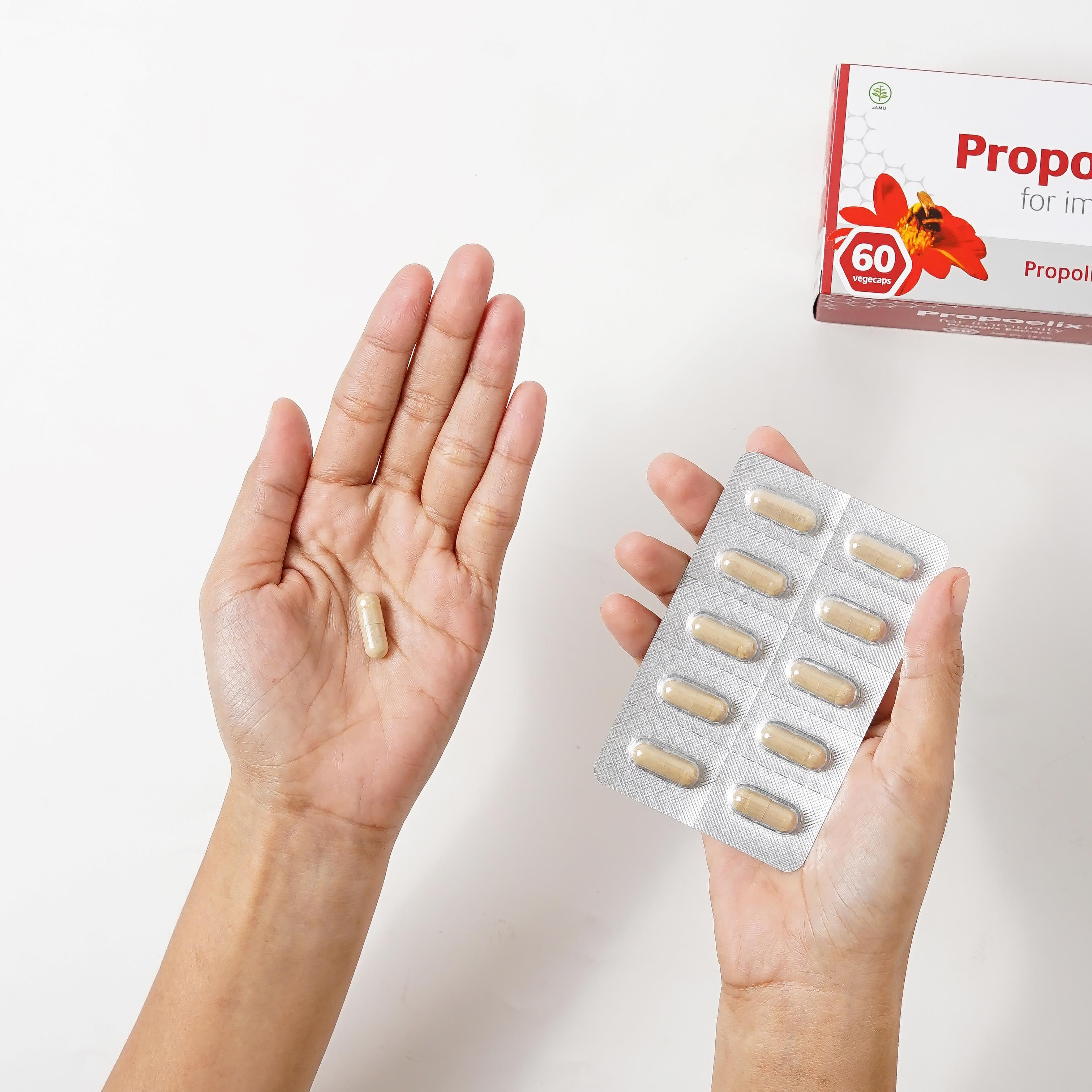
During this phase, maintaining a strong immune system is also important. Lack of sleep and increased night-time worship activities can affect endurance. Additional nutritional support may help maintain overall wellness. Natural supplements such as HDI Propoelix™, which contains propolis extract, can support immune health and help keep your body resilient during Ramadan.
Week 4: A New Rhythm Is Fully Formed
By the final week, the body is usually fully adapted to the new rhythm. Hunger and fullness patterns become more controlled, and people tend to become more aware of their body signals, recognizing when they are truly hungry and when they simply feel like eating.
Ironically, the biggest challenge often appears just before Eid celebrations, BeeFams! At this time, a variety of foods and drinks are typically served, from dishes high in sugar and coconut milk to oversized portions.
This is where the true lesson of Ramadan becomes important. The fasting month actually trains us to:
- Control portions
- Manage meal timing
- Avoid excess
Maintaining balanced nutrition remains essential to keep cholesterol levels stable and the immune system strong until the end of the month.
Ramadan: A Time for Physical Adaptation and Habit Building
Over 30 days, the body learns to become more efficient. From the adaptation phase in the first week to stability in the fourth week, this is all part of a natural process.
However, this adaptation works best when supported by:
- Balanced and nutritious suhoor meals
- Gradual and mindful iftar
- Adequate hydration
- Light physical activity
Natural Supplements to Support Immunity and Cholesterol Balance
Fasting is not just about abstaining from food, it’s also an opportunity to build healthier physical and mental habits. When the body receives proper nutrition and care, Ramadan can become a natural reset period for our eating patterns and lifestyle.
Most importantly, listen to your body’s signals. Everyone adapts at a slightly different pace.
BeeFams, this month only, until March 18, 2026, you can get HDI Propoelix™ and HDI TrimeeX with savings of up to 30% through the THR (Tunjangan Healthy & Ready) promo, helping keep your body strong and resilient during Ramadan.
Grab yours today at hdi.com or visit an HDI Center near you! •
Sources:
- https://www.halodoc.com/artikel/saat-puasa-ini-yang-terjadi-pada-organ-tubuh
- https://www.financialexpress.com/life/lifestyle-what-happens-to-your-body-when-you-fast-for-30-days-during-ramadannbsp-4157650/
- https://www.news-medical.net/news/20250609/What-happens-to-your-body-and-mind-during-a-five-day-water-fast.aspx

Bee Propolis Benefits: 8 Reasons to Try It




HDI Clover Honey Is Glyphosate-Free!


