


Effective Ways to Prevent Dengue Fever at Home
February 5, 2026
Dengue Hemorrhagic Fever (DHF) remains a common health concern in residential environments, especially in tropical regions like Indonesia. Although it is often considered a “seasonal disease,” the risk of dengue can arise anytime when environmental conditions support mosquito breeding. That’s why consistent prevention efforts are essential.
BeeFams, according to Indonesia’s Ministry of Health Crisis Center website, public vigilance toward dengue needs to be strengthened. As of December 2025, there were 161,752 reported dengue cases, with an incidence rate of about 50 cases per 100,000 people. During the same period, 673 dengue-related deaths were recorded, with cases spread across 36 provinces. High population mobility, climate changes, and environmental conditions that favor mosquito breeding contribute significantly to increased transmission risk.
The good news is that dengue prevention can begin with simple habits at home. With consistent routines and cooperation among family members, the risk of transmission can be reduced.
Why Does Dengue Spread So Easily?
Before discussing prevention strategies, it’s important to understand why dengue spreads so efficiently. Dengue is caused by the dengue virus, transmitted through the bites of Aedes aegypti and Aedes albopictus mosquitoes.
These mosquitoes have characteristics that make them highly effective disease carriers:
• Daytime Biting Behavior
Aedes mosquitoes are active biters from morning until late afternoon, unlike many other mosquitoes that bite at night. This means the risk remains high during daytime household activities, even if the home appears clean and secured at night.
• Breeding in Clean Standing Water
These mosquitoes prefer clean water sources for breeding, such as bathtubs, flower vases, gutters, water dispensers, and pet bowls. Indonesia’s Ministry of Health notes that a single female mosquito can lay hundreds of eggs, which can survive dry conditions for months.
• Short Incubation Period
The dengue virus has a relatively short incubation period of about 4–10 days after a bite. This allows rapid transmission, especially in densely populated areas. The WHO also highlights that urban crowding and human mobility accelerate dengue spread.
Key Household Dengue Prevention Steps
These simple household actions remain among the most effective ways to prevent dengue transmission. Health authorities emphasize that consistent environmental management plays a crucial role in reducing mosquito breeding.
• Drain Standing Water
Drain and clean water storage containers, such as tubs, buckets, or tanks, at least once a week. Cleaning should include scrubbing container walls to remove mosquito eggs that may stick to surfaces.
• Cover Water Containers
Keep water containers tightly covered to prevent mosquitoes from entering and laying eggs.
• Dispose or Recycle Water-Collecting Items
Discard or recycle unused items that can collect rainwater, such as cans, bottles, tires, or plastic containers.
Additional Protective Measures
Further steps can strengthen dengue prevention, including:
- Applying larvicide to water that is difficult to drain
- Keeping fish that feed on mosquito larvae
- Using mosquito nets or window screens
- Avoiding the habit of hanging clothes indoors
The CDC (Centers for Disease Control and Prevention) emphasizes that eliminating mosquito breeding sites is one of the most effective dengue prevention strategies, often more impactful than relying solely on fogging.
Protecting the Body from Mosquito Bites
Beyond environmental management, dengue prevention also involves protecting the body directly from mosquito bites.
Some practical steps include:
- Using mosquito repellent lotion or spray, especially in the morning and afternoon or during outdoor activities
- Wearing long-sleeved clothing and long pants at home
- Sleeping under mosquito nets, particularly for infants and toddlers
- Installing mosquito screens on windows and ventilation openings
Dengue Prevention at Home and in the Surrounding Environment
Dengue prevention should not focus on a single area. Homes, yards, and surrounding environments must all be addressed.
Inside the home:
- Regularly clean hidden spaces such as under cabinets, behind refrigerators, and plant pots
- Prevent standing water in bathrooms or kitchens
- Replace water in flower vases and pet bowls daily
Outside the home:
- Clear gutters to prevent blockages
- Cover holes or depressions that can collect rainwater
- Maintain clean drainage systems and yards
Start with Small Habits
Dengue prevention becomes much more effective when done collectively. Families play a critical role as the first line of defense, beginning with simple habits at home.
At the family level:
- Encourage children to care about environmental cleanliness
- Schedule weekly larvae inspections
- Remind each other about prevention habits
At the community level:
- Reactivate neighborhood clean-up activities
- Support mosquito larvae monitoring programs
- Report dengue cases to local health facilities
WHO stresses that community involvement is essential for effective dengue control.
Immune Support as a Complement to Prevention
In addition to avoiding mosquito bites, maintaining a strong immune system is an important complementary measure. A healthy immune system helps the body respond better to infections, although primary prevention still focuses on avoiding bites.
Scientific studies suggest that natural compounds with antioxidant and immunomodulatory properties, such as those found in propolis, may help support immune function. Combined with a healthy lifestyle and proper nutrition, this can help keep the body resilient.
HDI Propoelix™ Supporting Family Immunity
HDI Propoelix™ is clinically tested and rich in powerful antioxidants that support immune health and overall wellness, including recovery during dengue.
Key benefits include:
- Helping reduce inflammation
- Protecting against everyday oxidative stress
- Supporting the body’s defense against harmful oxidation

For optimal benefits, consume HDI Propoelix™ according to your needs:
- During dengue recovery: 2 vegecaps, 3 times daily
- Daily immune maintenance: 1 vegecap, once daily
As an additional preventive measure, natural mosquito repellent sprays such as Better Botanics Buzz Away Propolis Spray are clinically tested to protect the skin for 6–8 hours against Aedes aegypti and Culex quinquefasciatus mosquito bites.
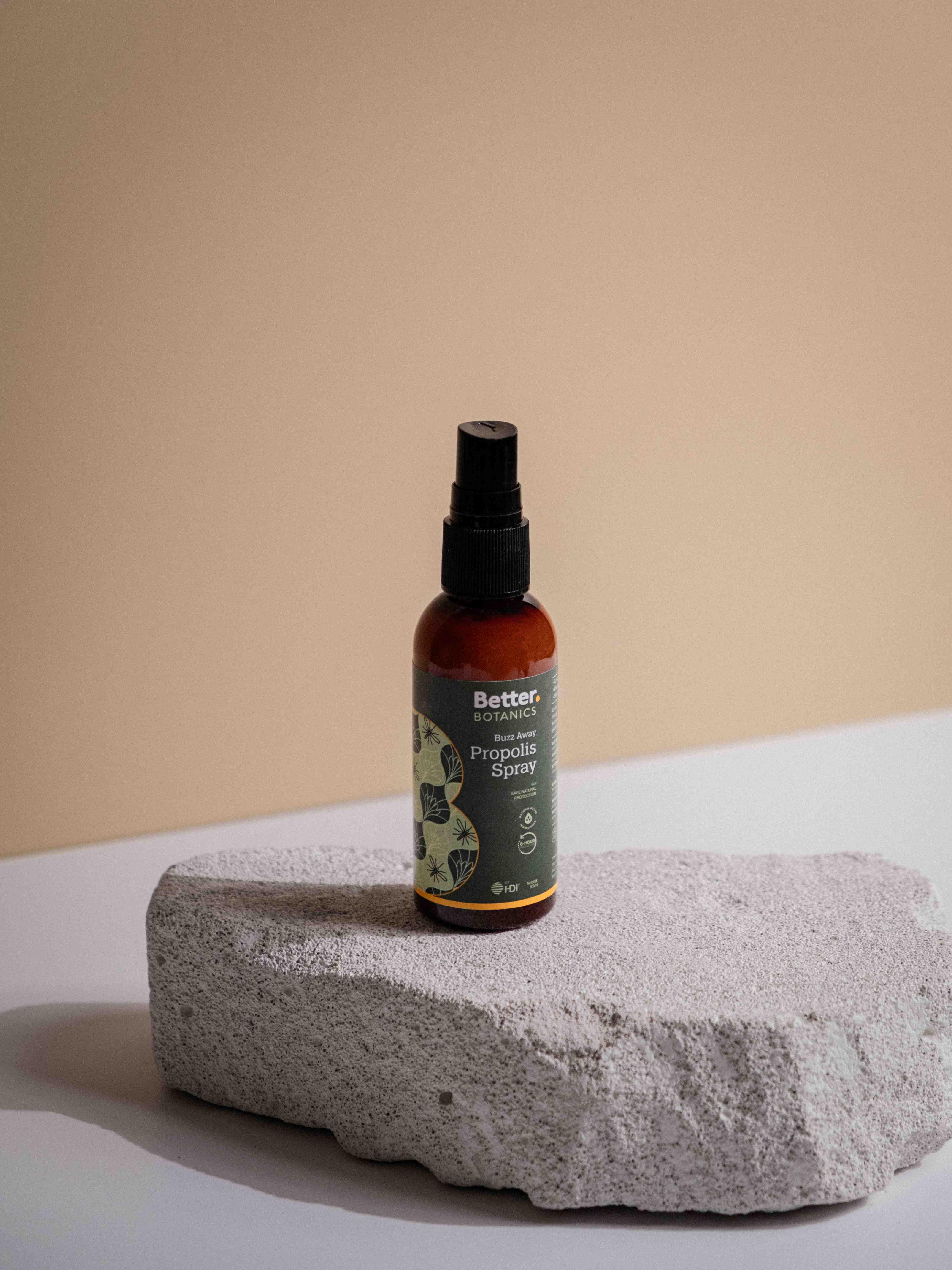
Get HDI Propoelix™ and Better Botanics Buzz Away Propolis Spray at hdi.com or your nearest HDI Center. Special Cashback promotions are available with HDI Propoelix™ purchases, making your shopping even more rewarding! •
- https://ayosehat.kemkes.go.id/pemberantasan-sarang-nyamuk-dengan-3m-plus
- https://www.mitrakeluarga.com/artikel/cara-mencegah-demam-berdarah
- https://www.halodoc.com/kesehatan/demam-berdarah?srsltid=AfmBOoqrbpnP0XEY4fmoUAvXGC9jeQIJHq-gOEXi7cqbsR_dIPXOxsBK
- https://penanggulangankrisis.kemkes.go.id/waspada-demam-berdarah-dengue


Bee Propolis Benefits: 8 Reasons to Try It

Age 30–40? Time to Upgrade Your Health Game!


Coughing in Children: When to Be Concerned?


