


Not Just the Brain: This Organ Is Also Connected to Autism
June 19, 2026
BeeFams, did you know that gut health has become one of the most widely studied topics in relation to autism? In recent years, scientists have found that some individuals with Autism Spectrum Disorder (ASD) have a different composition of gut microbiota compared to individuals without ASD.
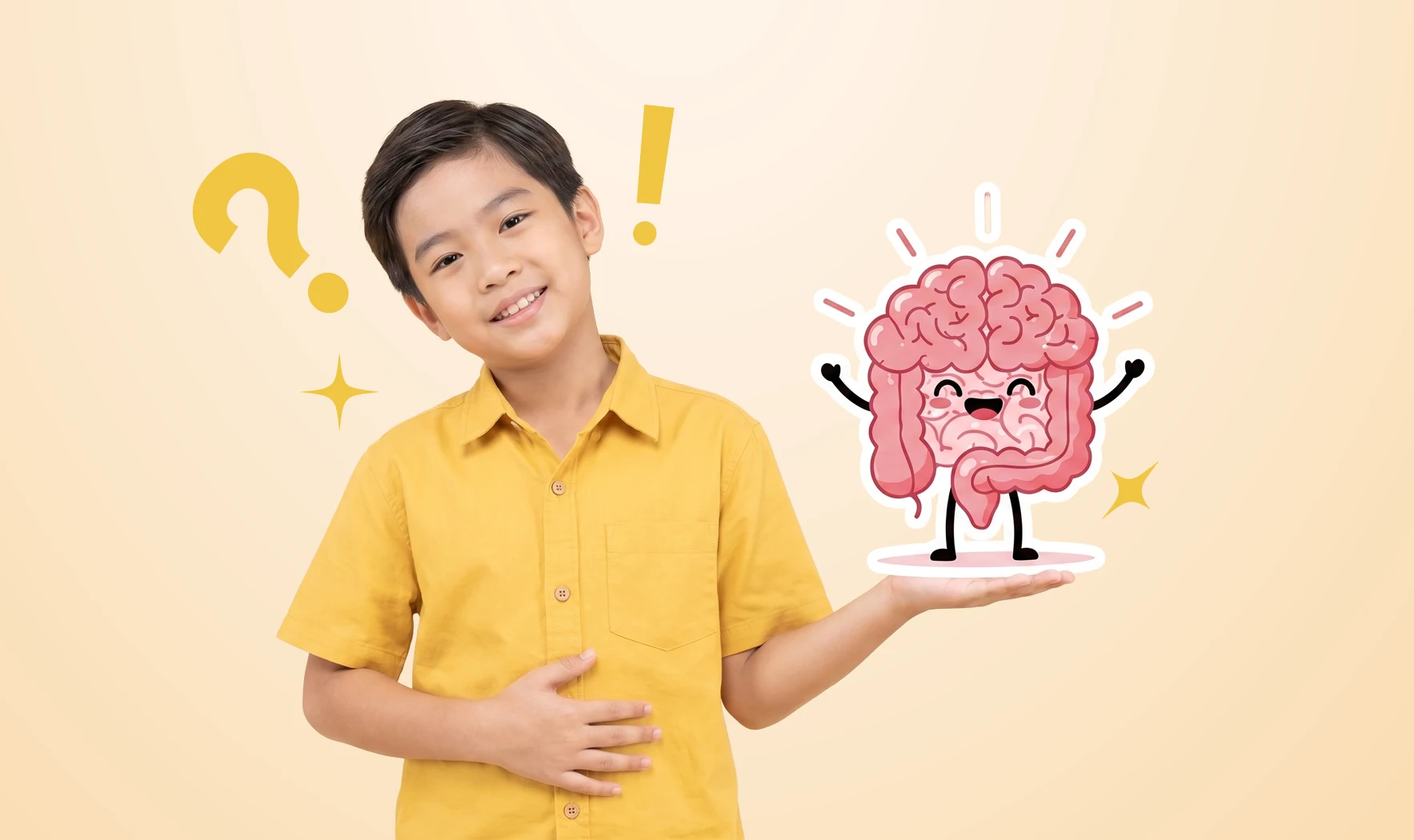
This finding has sparked growing interest in studying the connection between the gut and the brain, known as the gut-brain axis. This two-way communication network allows the gut and brain to influence one another through nerves, hormones, the immune system, and compounds produced by microorganisms living in the digestive tract.
However, it is important to understand that autism is not linked to a single factor. Experts currently believe that autism is a complex condition influenced by multiple factors, including genetics and environmental influences. Even so, research on gut microbiota continues to evolve because it may help scientists better understand autism as a whole.
What Is Gut Microbiota?
Gut microbiota refers to the community of microorganisms that naturally live in the digestive tract, including bacteria, fungi, viruses, and other microbes. Their numbers are enormous, reaching trillions of microorganisms.
Although this may sound alarming, most of these microorganisms actually play important roles in maintaining overall health. They help digest food, produce certain vitamins, support immune function, and contribute to digestive health.
When the number and diversity of these microorganisms are balanced, the gut can function optimally. On the other hand, an imbalance in gut microbiota, known as dysbiosis, may affect various aspects of health.
The Gut and the Brain Are Closely Connected
Many people once believed that the gut's sole function was digestion. However, modern research shows that the gut and the brain are closely interconnected.
This connection is known as the gut-brain axis. Through this communication pathway, the gut and brain exchange information via the nervous system, immune system, hormones, and metabolites produced by gut microbiota.
Interestingly, certain gut bacteria are involved in the production or regulation of compounds associated with mood, behavior, and brain function, such as serotonin.
As a result, researchers have become increasingly interested in investigating whether changes in gut microbiota may contribute to various neurological conditions, including autism.
Digestive Disorders Found in Individuals with Autism
One fairly consistent finding across studies is the presence of digestive disorders in individuals with autism. According to an article published in Care Hospitals, children with ASD are more likely to experience digestive complaints such as constipation, diarrhea, bloating, and sensitivities to certain foods.
Several studies have also shown that children with autism are at a greater risk of developing digestive issues compared to children without autism. This has led researchers to explore whether there may be a connection between gut health and the symptoms experienced by individuals with autism.
Differences in Gut Microbiota Composition
According to a study published in Nature Communications, children with ASD were found to have lower levels of neuroactive metabolites produced by gut microbes when breaking down food components such as amino acids and complex carbohydrates for energy production and communication with the nervous system.
Changes in the relative abundance of these metabolites may affect signaling between the gut and brain, potentially influencing emotions and behavior.
However, researchers have not identified a single bacterial pattern shared by all individuals with autism. In other words, there is no specific "autism bacterium" that can serve as a universal marker. Therefore, experts generally refer to differences or imbalances in gut microbiota rather than pointing to a specific bacterial species as the cause of autism.
Autism Is Influenced by Multiple Factors
Although many studies have identified associations between autism and gut microbiota, researchers do not conclude that gut microbiota imbalances cause autism. Autism is currently understood as a complex neurodevelopmental condition influenced by multiple factors, particularly genetic factors that interact with environmental influences.
Current research only demonstrates a relationship or association between autism and gut microbiota, not a definitive cause-and-effect connection. Therefore, scientists continue to investigate the role of gut microbiota in autism.
Maintaining Gut Health Remains Important
Although research on autism and gut microbiota is still evolving, maintaining a healthy gut remains beneficial for overall well-being.
A healthy gut supports:
- Optimal digestion
- Nutrient absorption
- Immune system function
- Metabolic health
- Daily digestive comfort
One way to support gut health is by following a balanced diet rich in fiber from fruits, vegetables, legumes, nuts, and whole grains. Regular physical activity, quality sleep, and effective stress management also play important roles in maintaining a balanced gut microbiota.
BeeFams, the relationship between autism and gut microbiota remains an active area of scientific research. While gut microbiota has not been proven to cause autism, studies suggest that gut health plays an important role in overall health and may influence various biological processes within the body.
Therefore, maintaining digestive health through healthy lifestyle habits is a positive step that can be taken early in life. From eating more fiber-rich foods and getting enough sleep to staying physically active every day, these simple habits can help support a balanced gut microbiota and promote long-term health •
Sumber:
- https://www.halodoc.com/artikel/apa-artinya-autis-pahami-bukan-penyakit-menular
- https://www.carehospitals.com/id/news-media-detail/autism-and-gut-health-debunking-myths-and-advancing-treatment-strategies-dr-vittal-kumar-kesireddy
- https://hellosehat.com/pencernaan/mikrobiota-usus/
- https://www.uclahealth.org/news/article/kids-with-autism-gut-microbiome-brain
- https://health.detik.com/anak-dan-remaja/d-1813448/bakteri-di-usus-anak-autis-berbeda-dengan-anak-lain
FAQ
1. Is autism caused by gut microbiota imbalance?
No. There is currently no evidence that gut microbiota imbalance is the sole cause of autism. Existing research only shows an association between the two, not a proven cause-and-effect relationship.
2. What is the difference between gut microbiota and the gut microbiome?
Gut microbiota refers to the microorganisms that live in the digestive tract, while the gut microbiome includes those microorganisms along with their genetic material. In discussions about autism, the term "gut microbiota" is more commonly used when referring to the balance and composition of microorganisms in the gut.
3. What is the gut-brain axis?
The gut-brain axis is a two-way communication network between the gut and the brain that involves the nervous system, hormones, the immune system, and compounds produced by gut microbiota.

Coughing in Children: When to Be Concerned?


How to Naturally Boost Your Immune System

Bee Propolis Benefits: 8 Reasons to Try It


