


Anemia Recurs During Ramadan, Is It Permissible Not to Fast?
March 2, 2026
Recently, through Instagram Story @hdi.info, someone asked in the #AskUstad segment about the ruling on fasting for a person with a history of anemia. What if the condition relapses and the body is not strong enough to fast? Here is a comprehensive explanation from both Islamic and medical perspectives.
BeeFams, questions like this often arise, especially as Ramadan approaches. Many people want to observe fasting optimally, yet at the same time worry that their health condition may worsen. Here is the question that was submitted:
“I have a history of anemia. How can I maintain my condition during Ramadan so that I can continue fasting properly? And what is the ruling if my condition relapses and I am unable to fast?”
The Sharia Supervisory Board of HDI, Assoc. Prof. Dr. H. M. Sofwan Jauhari, Lc., M.Ag., and Fauzan Sugiyono, Lc., M.Ag., explained that anemia is indeed classified as an illness. However, in fiqh (Islamic jurisprudence), not every illness automatically allows a person to refrain from fasting in Ramadan.

Prof. Dr. H. M. Sofwan Jauhari, Lc., M.Ag

Fauzan Sugiyono, Lc. M.Ag
A person is permitted not to fast or to break their fast if fasting has the potential to worsen the condition, delay recovery, or cause real harm to the body.
In Islamic law, there is a general principle derived from a hadith:
لا ضرر ولا ضرار
“There should be neither harm nor reciprocating harm.” (Reported by Ibn Mājah and others)
Therefore, it is advisable to consult a doctor who understands Islamic religious rulings. The determination of whether anemia is harmful if one fasts should be based on a medical assessment from a doctor who understands the condition. This is in line with the fiqh principle: “A ruling on something depends on proper knowledge of its true nature.”
“If the doctor states that the person is still capable and fasting is not harmful, then fasting remains obligatory. However, if according to the doctor fasting is dangerous or may worsen the condition, then it is permissible not to fast and it must be made up (qada) on other days after Ramadan, before the next Ramadan arrives,” explained Ustaz Fauzan.
Allah ﷻ says in QS. Al-Baqarah: 185:
شَهْرُ رَمَضَانَ الَّذِي أُنْزِلَ فِيهِ الْقُرْآنُ هُدًى لِلنَّاسِ وَبَيِّنَاتٍ مِنَ الْهُدَى وَالْفُرْقَانِ فَمَنْ شَهِدَ مِنْكُمُ الشَّهْرَ فَلْيَصُمْهُ وَمَنْ كَانَ مَرِيضًا أَوْ عَلَى سَفَرٍ فَعِدَّةٌ مِنْ أَيَّامٍ أُخَرَ} [البقرة: 185]
Meaning:
“Whoever among you is ill or on a journey (and breaks the fast), then an equal number of days are to be made up on other days…”
This verse establishes that:
1. Fasting in the month of Ramadan is obligatory.
2. The sick and travelers are granted rukhsah (concession) not to fast.
3. The obligation is to make up the missed days after Ramadan.
Ustaz Sofwan added that for someone with a chronic illness that cannot be cured and who is permanently unable to fast, the obligation may be replaced by paying fidyah (a compensatory payment made by feeding a poor person for each missed day of fasting). Scholars explain that those who may pay fidyah without making up the fast are limited to:
1. Elderly individuals who are physically unable to fast and cannot regain strength.
2. People with chronic (incurable) illnesses with no hope of recovery.
The fidyah is given by feeding one poor person for each missed day of fasting, according to the usual local diet, with a minimum of one mud (approximately 600–700 grams) of staple food.
Stable Condition Allows Fasting
From a medical perspective, dr. A. Rousdy Noor, MMRS, HIDUP (HDI Inovasi Dinamik Unggul Panel) Expert Panel specializing in Holistic Health Management, explained that anemia is a condition in which hemoglobin levels in the blood are lower than normal. Hemoglobin, as part of red blood cells, carries oxygen throughout the body. When hemoglobin is low, the body lacks oxygen.

dr. A. Rousdy Noor, MMRS
As a result, a person may feel easily fatigued, experience headaches, shortness of breath, pale skin, heart palpitations, and sometimes low blood pressure.
“In general, individuals with mild to moderate anemia whose condition is stable can still fast, especially if their hemoglobin level is above 7 g/dL. However, in cases of severe anemia with hemoglobin below 7 g/dL, unstable conditions, or during intensive treatment, fasting should be reconsidered,” added dr. Rousdy.
In such situations, consulting a doctor before Ramadan is highly recommended. A simple check-up can help determine hemoglobin levels and assess whether the body is ready to fast.
Suhoor is Essential
Suhoor is the time to replenish energy and nutrients for the entire day. So, don’t skip suhoor, BeeFams! The suhoor menu should consist of protein, healthy fats, and complex carbohydrates so that energy is released gradually and the body does not become weak quickly. It should also be rich in iron, which is essential for hemoglobin formation.
Good sources of iron include red meat, liver, chicken, fish, and eggs. From plant-based sources, iron can be obtained from legumes, lentils, green vegetables such as spinach and broccoli, whole grains, and dried fruits. Dates are also an excellent choice.
Breaking the fast with dates not only follows the sunnah but also helps increase iron intake and energy. To enhance iron absorption, the body also needs vitamin C, which can be obtained from oranges, guava, strawberries, or tomatoes during suhoor and iftar.
Related article: 7 healthy Suhoor Menus So You Don't Feel Weak Easily
On the other hand, there are several factors that can inhibit iron absorption:
- Tea and coffee consumed together with or immediately after meals can reduce iron absorption. Caffeine can also increase fluid loss, raising the risk of dehydration.
- High-calcium foods consumed together with iron-rich foods may interfere with absorption.
- Excessive simple sugar intake can cause rapid spikes and drops in blood sugar, leading to fatigue.
Hydration is often overlooked but is very important for individuals with anemia. Dehydration can worsen dizziness, weakness, and difficulty concentrating. Therefore, from iftar until suhoor, make sure to drink enough water gradually. Water is the best choice compared to sweetened or caffeinated drinks.
“A well-hydrated body helps maintain smooth blood circulation and optimal organ function,” added dr. Rousdy.
Complete Your Nutrition with Bee Products
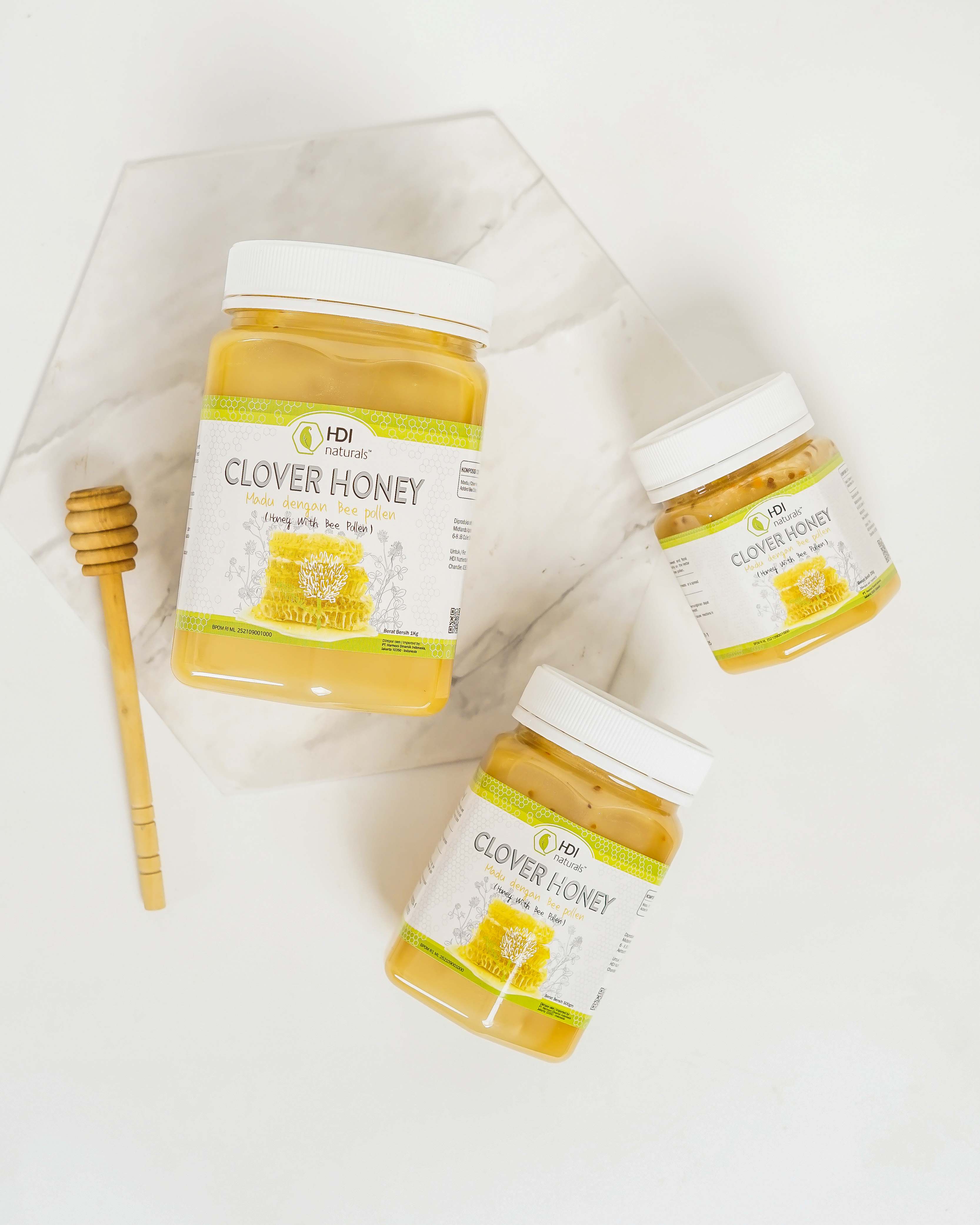
BeeFams, bee products can also complement the nutrients needed during fasting. From honey and bee pollen to propolis, these products are known to contain various vitamins, minerals, and antioxidants. Honey, for example, can serve as a natural energy source during suhoor and iftar and contains minerals that support blood formation.
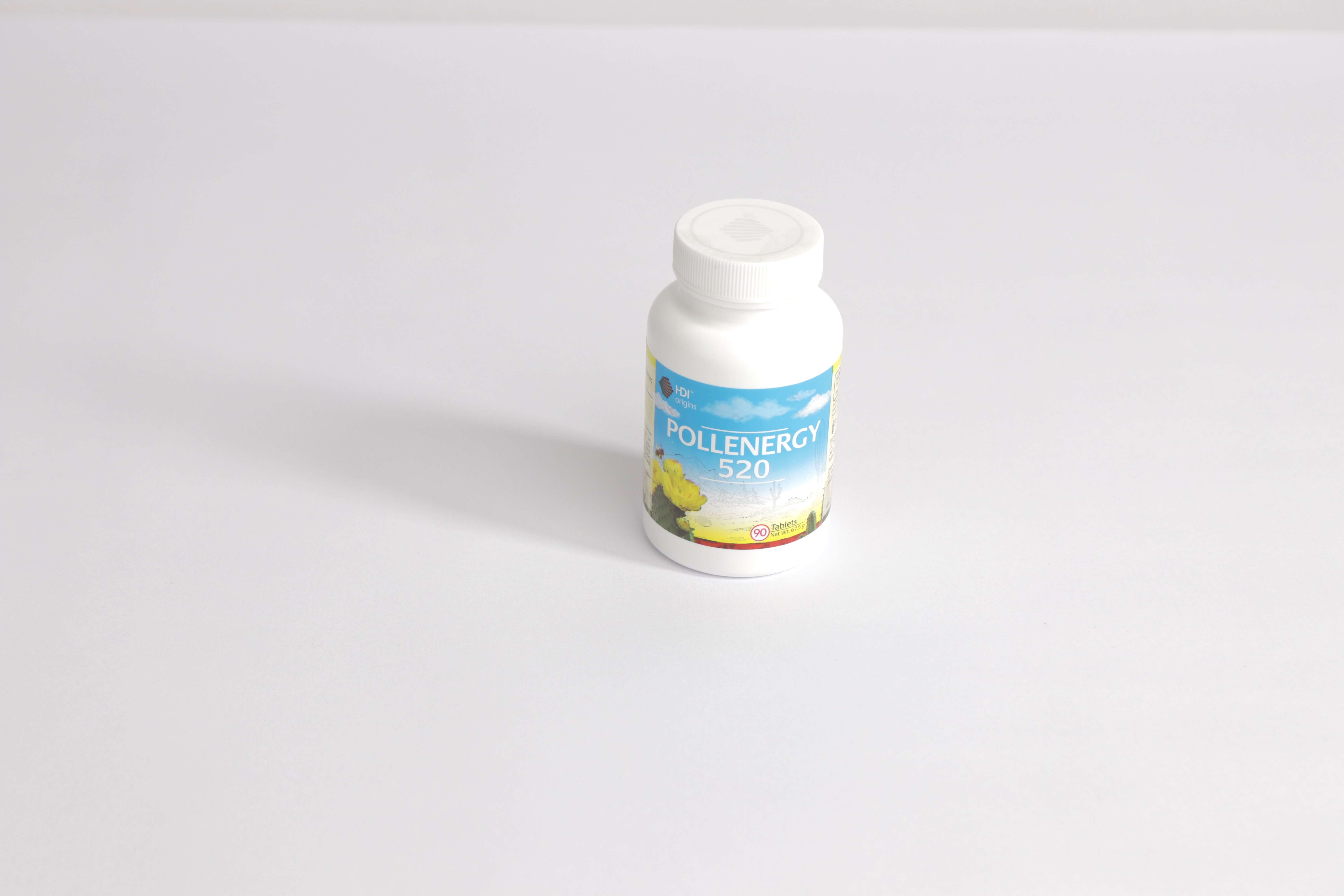
“Bee pollen is known for its dense nutritional content, such as protein, vitamins, minerals, and iron. Without sufficient iron, the body cannot produce hemoglobin properly. It also contains antioxidants that help protect red blood cells from damage. Some reports suggest that consuming bee pollen may help increase hemoglobin levels and red blood cell counts,” explained dr. Rousdy.
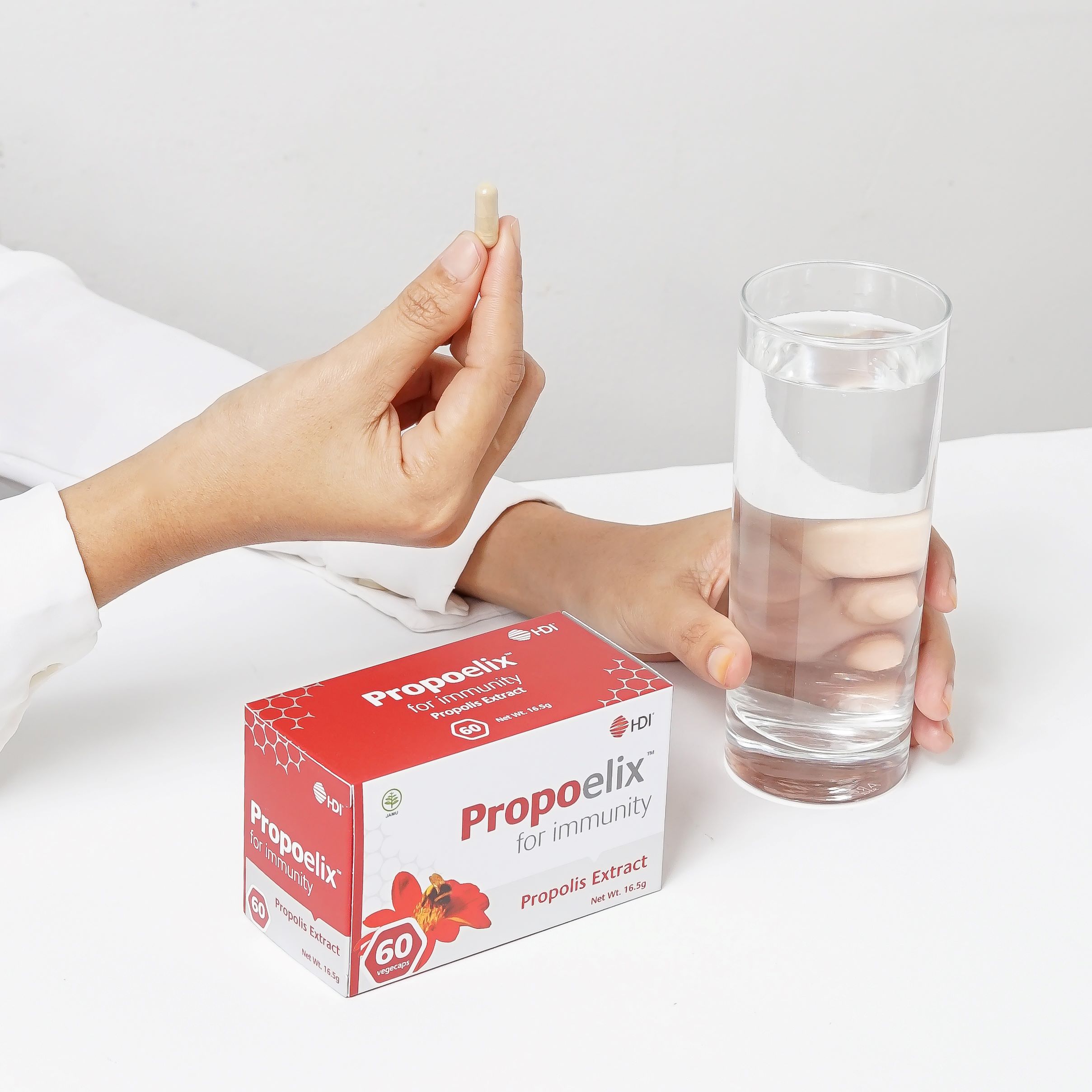
Meanwhile, propolis contains B-complex vitamins that are important for red blood cell formation. A deficiency in vitamin B6, for instance, can cause anemia. The antioxidants in propolis also help protect body cells from oxidative stress that may worsen anemia.
“People with anemia must also be attentive to their body’s signals. If during fasting there is severe dizziness, extreme weakness, intense palpitations, severe headache, or near fainting, the fast should be broken immediately. Forcing oneself can endanger health and disrupt overall worship,” advised dr. Rousdy.
So, BeeFams, to accompany your fasting journey, you can try consuming some of the following recommended HDI products!


Bee Propolis Benefits: 8 Reasons to Try It



How to Naturally Boost Your Immune System


