Health Benefits of Propolis: Immune Support & Help Fighting Inflammation
February 11, 2026
Propolis has recently gained attention in health and beauty discussions and for good reason. This resin-like substance collected by bees from plant sap is packed with potential benefits. So, what exactly are the health benefits of propolis? Let’s explore them below!
What Is Propolis?
Propolis is a mixture of plant resins, beeswax, enzymes, and bee secretions used by bees to seal gaps, sterilize the hive, and protect the colony from pathogens. Its composition depends heavily on the plants surrounding the hive.
That’s why propolis from different regions can vary in color, aroma, and chemical profile. Because of its diverse phytochemical content, propolis has been widely studied in natural pharmacology.
Active Compounds in Propolis
The many health benefits of propolis come from its complex natural active compounds. It contains various bioactive substances that play important roles in supporting body functions.
One of the most studied groups of compounds in propolis is polyphenols, known for their antioxidant activity. Key polyphenol components include:
- Flavonoids (such as naringenin, chrysin, galangin, pinocembrin, apigenin, rutin), powerful antioxidants that help fight free radicals that damage cells
- Phenolic acids (such as cinnamic acid), which help regulate inflammation and support the body’s natural defense mechanisms
- Phenolic esters (such as CAPE/ Caffeic Acid Phenethyl Ester), compounds widely researched for their potential role in immune support and inflammation regulation
This combination of compounds is why propolis is often associated with antioxidant, anti-inflammatory, antimicrobial, and immunomodulatory effects. Laboratory studies suggest these compounds work synergistically to support immune resilience.
5 Health Benefits of Propolis
Here are some of the key health benefits associated with propolis:
1. Immune Support and Immunomodulatory Activity
Laboratory studies and small clinical trials suggest propolis may influence immune response, such as enhancing phagocyte activity or stimulating antibody production in certain conditions.
2. Antioxidant Protection Against Free Radicals
The polyphenols and flavonoids in propolis act as free radical scavengers, helping reduce oxidative stress linked to aging and chronic disease.
3. Helps Regulate Inflammation
Propolis is associated with reducing inflammatory markers. Because of this, it is often explored as an adjunct support for conditions related to chronic inflammation.
4. Antimicrobial and Antiviral Activity
In vitro research shows propolis demonstrates activity against various bacteria, fungi, and some viruses. Studies are also exploring its antiviral potential as supportive therapy.
5. Support in Certain Clinical Conditions
Interestingly, propolis is not only used as a daily immune supplement. Clinical research has examined specific propolis formulations as complementary support in certain conditions, including dengue fever, kidney disorders, and diabetes.
Some studies suggest propolis may support recovery processes, help regulate inflammation, and maintain physiological balance during treatment. However, it is important to note that propolis is not a replacement for primary medical treatment, it serves as an adjunct or complementary support under healthcare guidance.
How to Consume Propolis
According to sources like Healthline and the National Institutes of Health (NIH), propolis is available in several forms, including capsules, tablets, and lozenges. For daily use, it is typically taken once or twice a day according to product directions.
Capsules and tablets are practical options. Propolis is often recommended before meals for optimal absorption. Those with sensitive digestion may prefer taking it after meals for comfort.
Cleveland Clinic also advises:
- Follow product dosage instructions, as formulations vary
- Avoid use if you have allergies to bee products
- Pregnant or breastfeeding individuals, or those with certain medical conditions, should consult a doctor first
Who Might Consider Propolis
Propolis may be considered as a supplement for those who:
- Want additional antioxidant support for everyday preventive care
- Have conditions associated with chronic inflammation (after consulting a doctor)
- Seek natural alternatives for oral health or mild topical skin support
With the growing interest in the health benefits of propolis, many people look for products that are not only natural but also scientifically supported and quality-tested. That’s why choosing propolis with consistent formulation, proper extraction, and research backing is important. Fortunately, you don’t need to look far, HDI Propoelix™ is available as a natural supplement option.
HDI Propoelix™: Clinically Tested Propolis Extract for Immune & Recovery Support
HDI Propoelix™ is made from natural ingredients with 200 mg of propolis extract that is easily absorbed and rich in antioxidants to help protect cells from free radical damage.
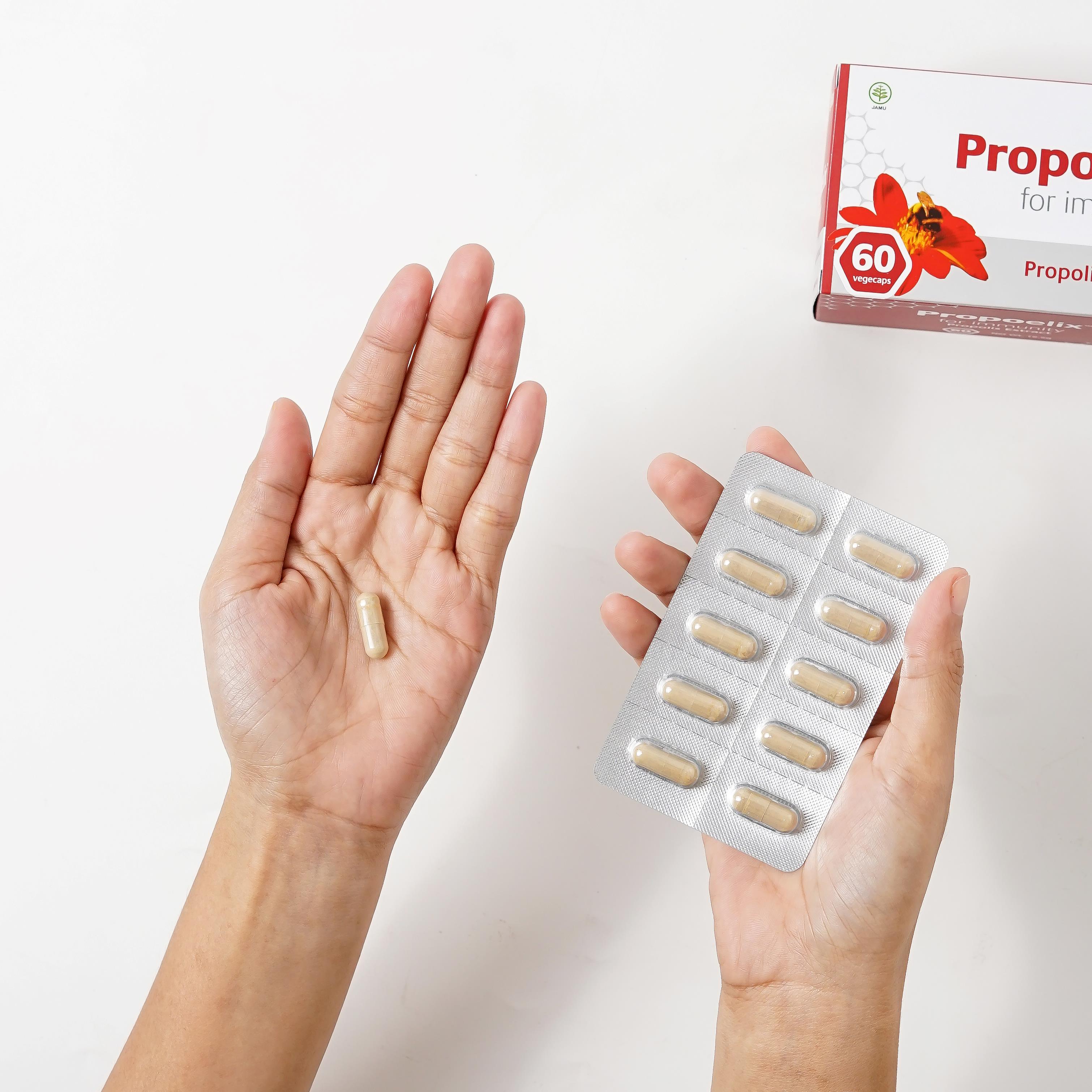
Key benefits include:
- Natural support to help maintain daily immune resilience
- Helps regulate inflammatory processes
- Supports protection against harmful oxidative stress
Recommended use:
- For dengue recovery support: 2 vegecaps, 3 times daily
- For daily immune maintenance: 1 vegecap, once daily
Developed with a specialized formulation, HDI Propoelix™ is designed as a supplement option suitable for the whole family.
Get your HDI Propoelix™ at hdi.com or any HDI Center.
You can also enjoy extra savings through the Special Cashback promo, don’t miss out! •
- https://www.health.com/propolis-7106541
- https://www.mdpi.com/1422-0067/26/4/1519
- https://www.propoelix.com/journal


Why Can Cholesterol Increase During Fasting?

Bee Propolis Benefits: 8 Reasons to Try It