


Why Can Cholesterol Increase During Fasting?
February 27, 2026
During fasting, we refrain from eating and drinking for more than 12 hours each day. But why is it that after a health check, cholesterol levels actually go up? How is that possible?
BeeFams, many people assume that fasting automatically lowers blood fat levels. In reality, that’s not always the case. What matters is not just how long we fast, but also what we eat at iftar (breaking the fast) and suhoor (pre-dawn meal).
What Is the Relationship Between Fasting and Heart Health?
Several studies cited by Mayo Clinic suggest that intermittent fasting may help improve certain risk factors for heart disease, such as body weight, insulin response, and cholesterol profile, including LDL (“bad” cholesterol) and HDL (“good” cholesterol”).
Although intermittent fasting is not exactly the same as Ramadan fasting, both involve periods of not eating for several hours a day. Metabolically, this condition encourages the body to use stored energy and affects how it manages blood sugar and fat. However, these positive effects also depend heavily on food choices during iftar and suhoor.
Why Can Cholesterol Increase During Ramadan?
Cholesterol can still rise during fasting due to uncontrolled dietary changes. Common causes include:
- Overeating at iftar
- Consuming fried foods almost daily
- High-fat and coconut milk–based dishes
- Excessive sugary drinks
- Low intake of fruits and vegetables
- Reduced physical activity
After hours without food, the body absorbs nutrients more quickly. If what we consume is high in saturated fat and sugar, triglyceride and cholesterol levels can spike. That’s why maintaining balanced eating habits during fasting is essential.
Watch Out: Iftar Dishes Can Become a “Fat Trap”
BeeFams, who can resist warm fried snacks, sweet compote, refreshing fruit ice, or indulgent martabak at iftar? Not to mention coconut milk, rich dishes or repeatedly fried foods that may contain saturated and trans fats.
The World Health Organization (WHO) warns that excessive consumption of saturated and trans fats increases the risk of heart disease and stroke. WHO recommends total fat intake should be less than 30% of daily energy (around 65–85 grams of fat), saturated fat no more than 10% (20–25 grams), and trans fat less than 1% (about 2 grams) per day.
So if you break your fast with fried and high-fat foods almost every day, it’s no surprise that cholesterol levels may rise, even during fasting.
6 Tips to Keep Cholesterol Stable While Fasting
No worries, you don’t have to avoid delicious food entirely. The key is balance and mindful choices.
✔ Start iftar with water and eat in moderation
✔ Limit fried foods
✔ Choose boiling, steaming, grilling, or baking instead of frying
✔ Increase fiber intake from fruits and vegetables
✔ Maintain light physical activity
✔ Control sugary drinks to prevent blood sugar spikes
Extra Support from Natural Ingredients
BeeFams, for some people, especially those with a history of high cholesterol or unstable blood sugar, dietary control alone may not feel sufficient. In such cases, additional support such as supplements that help maintain cholesterol levels and support blood sugar balance can complement a healthy Ramadan lifestyle.
Make sure to choose supplements made from natural ingredients, such as HDI TrimeeX. This product contains vegetarian-friendly mushroom-derived chitosan, white kidney bean, propolis extract (Propoelix™), cinnamon extract, black cumin extract, ginger extract, and bee pollen. Its benefits include:
- Supporting fat metabolism and management
- Helping maintain balanced cholesterol and blood sugar levels
- Providing antioxidant protection for body cells
- Supporting digestive health
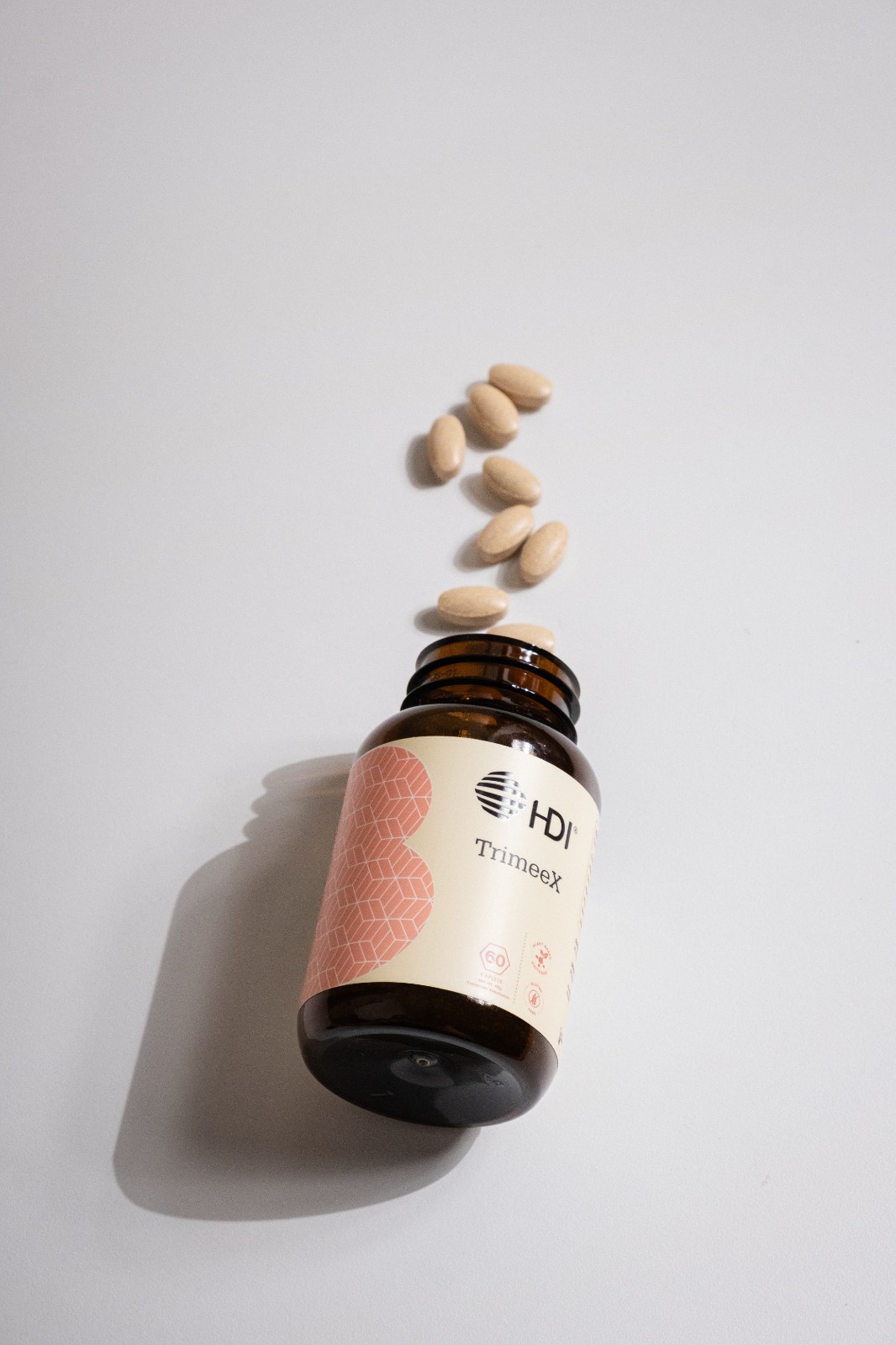
You can find HDI TrimeeX at hdi.com or at the nearest HDI Center. Even better, with a minimum purchase of one Couple Bee Set, you can enjoy a 20% discount on HDI TrimeeX.
If you still crave something sweet during suhoor or iftar, consider a natural sweetener like HDI Clover Honey. With its relatively low glycemic index, it is safer for the whole family when consumed wisely. There’s also a special “Berkah Manis” promotion offering savings of Rp350,000 for two HDI Clover Honey (1 kg and 500 g).
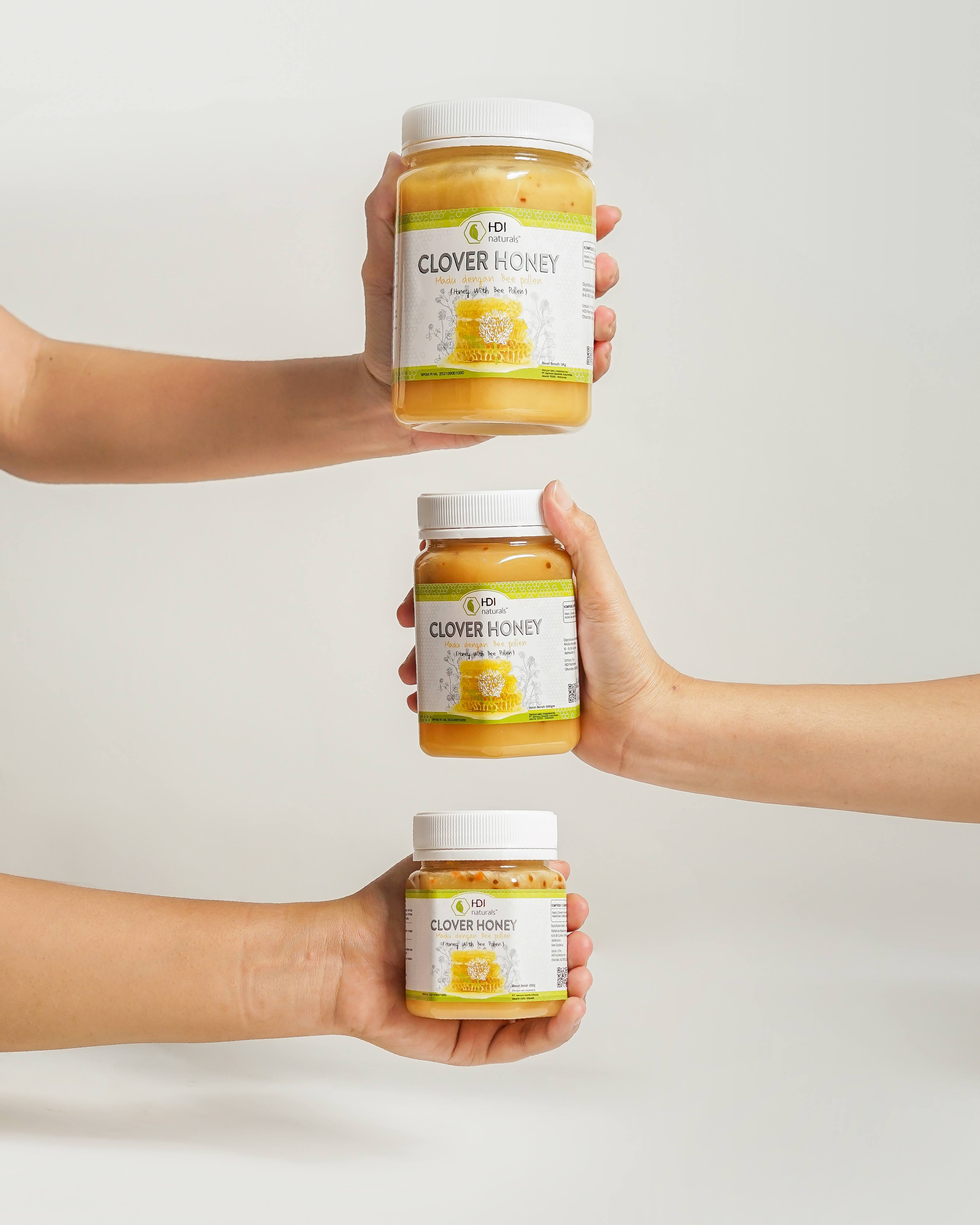
So you can continue enjoying Ramadan while keeping your health in check. Happy fasting, BeeFams! •
Sources:
- https://www.mayoclinic.org/diseases-conditions/heart-disease/expert-answers/fasting-diet/faq-20058334
- https://www.who.int/bangladesh/news/detail/11-06-2018-reducing-fat-intake-during-ramadan
- https://hellosehat.com/jantung/kolesterol/penyebab-kolesterol-naik-saat-puasa/
- https://www.liputan6.com/hot/read/5944875/penyebab-kolesterol-naik-saat-puasa-ramadan-dan-cara-mengatasinya

5 Tips for a Peaceful, Undisturbed Sleep



Bee Propolis Benefits: 8 Reasons to Try It


