


Why Does Your Body Suddenly Feel Weak? Try Checking Your Platelets
April 14, 2026
Have you ever felt unusually tired even though your daily activities are pretty normal? Or suddenly noticed bruises without bumping into anything, bleeding gums, or small wounds that take forever to heal?
At first, these may seem trivial. But in reality, your body might be sending signals, and one factor that often goes unnoticed is your platelet condition.
BeeFams, although platelets are often associated with diseases like dengue fever, they actually play a much broader role, including maintaining your body’s performance and daily recovery process.
What Are Platelets?
According to Cleveland Clinic, platelets are tiny cell fragments in your blood that help with clotting. In simple terms, platelets act like your body’s “natural bandage” when an injury occurs.
Think of them as your body’s emergency response team. When there’s a wound or a damaged blood vessel, platelets rush to the site, stick together, and form a temporary plug to stop the bleeding. After that, the clotting process strengthens this barrier.
Interestingly, platelets are extremely small, even smaller than full cells, but they exist in large numbers. In just one drop of blood, there are tens of thousands of platelets ready to act whenever needed.
Their main functions include:
- Stopping bleeding
- Forming plugs at injury sites
- Supporting the blood clotting process
Platelets are produced in the bone marrow and have a relatively short lifespan of about 7–10 days. That’s why your body continuously produces new platelets every day.
The key point? Platelet levels need to stay balanced, not too low, but not too high either.
Why Do Platelets Affect Your Overall Health?
Every day, your body experiences small “micro-damage”, from exercise, daily activities, or even stress. Platelets play a crucial role in repairing this damage.
They carry substances that help repair tissues, speed up healing, and even support your immune response when you’re sick. Platelets are also involved in how your body responds to infections, which is why their levels can fluctuate during illness, especially viral infections.
When platelet levels are not optimal, you may experience:
- Faster fatigue
- Slower recovery
- Reduced immune resilience
What is a Normal Platelet Count?
Platelet levels can be measured through a blood test. According to Hopkins Medicine, a normal platelet count ranges from 150,000 to 450,000 per microliter of blood. However, this number can vary depending on your body condition, infections, and medications you may be taking.
Causes & Risk Factors of Platelet Disorders
Platelet disorders usually occur when levels are either too low or too high.
- Low Platelets (Thrombocytopenia)
This happens when platelet levels fall below normal. Common causes include viral infections (like dengue), medication side effects, and autoimmune conditions.
Symptoms are often noticeable, such as:
- Easy bruising
- Frequent nosebleeds or bleeding gums
- Cuts that take longer to stop bleeding
- High Platelets (Thrombocytosis)
This occurs when platelet levels are higher than normal. It may be caused by bone marrow disorders, chronic inflammation, anemia, or certain infections. Unlike low platelets, high platelet levels often go unnoticed because symptoms are less obvious. However, the risks can be serious.
Excess platelets can make blood more prone to clotting, increasing the risk of blocked blood vessels. Over time, this may lead to serious conditions like stroke or heart attack.
When Should You Be Concerned?
You should consider seeing a doctor if you experience:
- Bleeding that doesn’t stop easily
- Unexplained bruising
- Blood in urine or stool
- Extreme fatigue
Don’t wait until symptoms worsen, early detection can help prevent serious complications.
Lifestyle Plays a Big Role
The good news is, maintaining healthy platelet levels doesn’t have to be complicated. Simple daily habits can make a big difference.
1. Eat a Balanced Diet
Consume foods rich in vitamin C, iron, and folate such as oranges, papaya, strawberries, leafy greens, and lean protein.
2. Stay Active & Get Enough Sleep
Regular physical activity and 7–9 hours of sleep help maintain circulation, cell regeneration, and overall balance.
3. Avoid Unhealthy Habits
Limiting smoking and alcohol consumption is just as important, BeeFams!
Supporting Your Body Naturally
As an additional support for daily immune health, you may consider consuming HDI Propoelix™, made from natural propolis extract (200 mg). This antioxidant-rich supplement is known for its various health benefits and is suitable for the whole family.
Clinical studies have also shown that HDI Propoelix™ can act as a supportive therapy to help increase platelet levels and shorten hospitalization time in dengue patients.
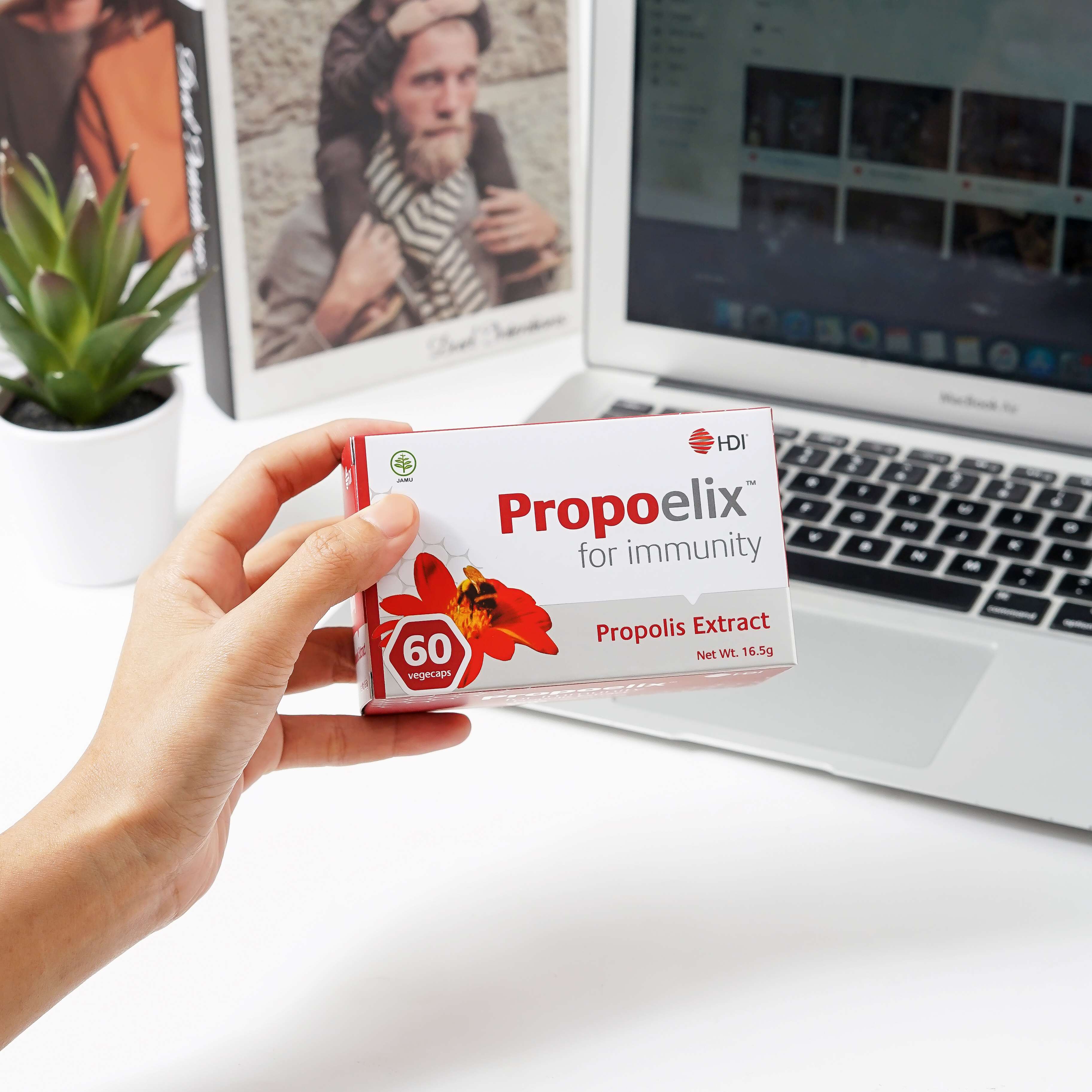
Clinical Studies of HDI Propoelix™:
- Persahabatan Hospital, Jakarta (2009–2010, 106 patients)
Proven to increase platelet levels and reduce hospital stay duration in dengue patients.
- RSPAD Gatot Soebroto, Jakarta (2012–2013, 63 patients)
Proven to increase platelets, reduce inflammatory markers (TNF-α), and shorten recovery time.
BeeFams, platelets may be small, but their role is huge. Keeping your platelet levels balanced means maintaining your overall body health. So don’t ignore the small signals your body gives you! •
- https://my.clevelandclinic.org/health/body/22879-platelets
- https://www.hopkinsmedicine.org/health/conditions-and-diseases/what-are-platelets-and-why-are-they-important
- https://www.healthline.com/health/fruits-to-increase-platelets
- https://www.halodoc.com/artikel/punya-gangguan-darah-trombositosis-coba-ubah-gaya-hidup-dengan-cara-ini
- https://www.alodokter.com/trombosit-ketahui-fungsinya-dan-gangguan-yang-perlu-diwaspadai
Related Product

Propoelix 200mg (60 Vegekaps)




Bee Propolis Benefits: 8 Reasons to Try It

How to Naturally Boost Your Immune System


